Environment Class 14
SOURCES OF WATER POLLUTION(5:13 PM):
- The industry is the major source of water pollution.
- The Iron & Steel industry releases many pollutants like oxides of copper, chromium,& mercury, sulfides, benzene, toluene, xylene, Iron cyanide, etc.
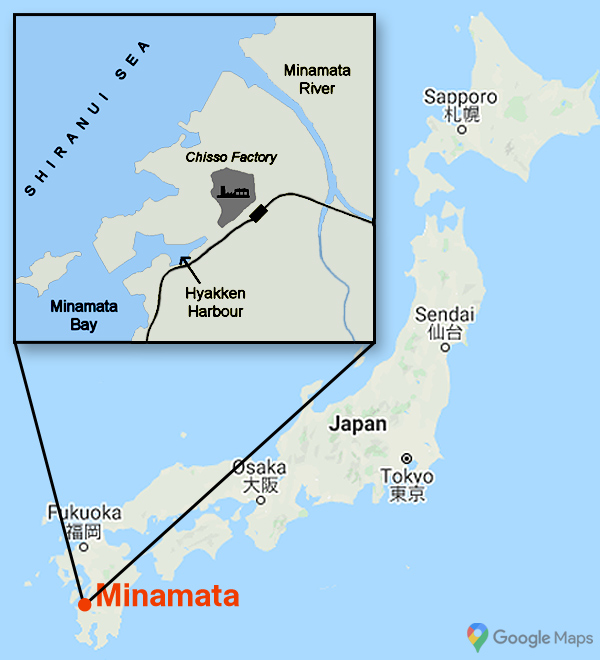
- When mercuric oxides are released into water bodies through sludge/slag get converted into methylmercury by bacteria.
- Methyl mercury is a poison to life forms that can damage the Central Nervous System(CNS) and can cause damage to the brain, kidneys, vision, etc.
- This poisoning by methylmercury is called the Minamata disease.
-
Background of Minamata disease:
- It is named after the Minimata Bay of Japan in which industrial wastes from many large industrial cities were dumped.
-
- Sulfides are acid-generating and make the water acidic.
- Hydrocarbons are also released by the steel industry because of the use of coal.
- Important hydrocarbons are benzene, xylene & toluene.
- Benzene is harmful to the formation of bone marrow, affects CNS, slows down the formation of Red Blood Cells, and also harms kidneys.
- Iron cyanide which is a direct poison to the life forms is also released by this industry as a part of slag.
- Chromium directly affects the CNS, liver, and other organs.
SMELTING INDUSTRY POLLUTION (5:40 PM):
- The smelting industry generates extremely high temperatures in electrolytic tanks to melt the ore.
- At these high temperatures, other metallic elements like aluminum, mercury, copper, cadmium, arsenic, etc. also get melted.
- These metals later become part of the water of the tank which later gets released, and serious harm to the water ecosystem is seen.
Leather Tanning industry:
- Animal skin must be subjected to high temperature, force, and chemical processes so that only the upper hide remains.
- The obtained thin upper hide is then dried in the open.
- The waste waters of tanneries are rich in sulfides, up to 500 milligrams per liter, and other toxic metals like chromium, lead, etc.
- Chromium 6 which is hexavalent chromium and is extremely poisonous, is present in high concentrations in tannery wastewaters.
- Hexavalent atoms can combine with six different atoms at the same time.
- It is a known carcinogen- cancer-causing object, it can cause genetic mutation in all life forms including plants and CNS.
- Kanpur, Uttar Pradesh has low-quality of Ganga water mainly due to discharges from leather industries.
- Many tanneries have now been shifted away/closed.
Mining industry:
- Excavated rocks and exposed rocks of underground mines always have compounds of lead, copper, cobalt, zinc, and cadmium.
- They are mixed with water when the rock water is released in nature.
- The water that is used in the processing of ore will always have these toxic and heavy elements.
- This polluted water can contaminate other water bodies including underground water.
- Mining waste that includes a lot of rock waste always has acid-generating sulfides.
- These acids can in turn leach out heavy metals from soil minerals which can reach water bodies.
- The use of water in mining lowers the underground water table, exposing more rocks to underground water.
- The underground water reacts with the exposed rocks which can release heavy metals and toxins into the water.
Food Processing Industries:
- The waste generated is always organic waste which is a breeding ground for pathogenic bacteria.
- These bacteria multiply and enter water bodies causing their contamination.
- Acrylamide is a complex organic compound of carbon, hydrogen, and nitrogen, created from plant-based food products.
- It is a confirmed carcinogen.
- Furans are also organic compounds of carbon, hydrogen, and oxygen which are generated in the food processing industry where high temperatures are used like roasting, frying, cooking, etc.
- Furans are also carcinogenic.
PAPER INDUSTRY (6:10 PM):
- They release a lot of sugars, cellulose fibers, and organic acids which not only multiply the bacteria in water bodies but also are harmful to lifeforms.
Pharmaceutical industry:
- Pharmaceutical industrial waste is full of antibiotics, proteins, antibiotics, organic acids, and drugs that have strong psycho-active effects on lifeforms.
- All these are directly harmful to lifeforms if they become part of water and soil.
- They also contribute to the development of antibiotic resistance in bacteria.
- Superbugs are bacteria that have become immune/resistant to antibiotics.
- This is extremely harmful to lifeforms because drugs to treat disorders caused by bacteria will not have any effect.
- Chloramphenicol drugs are very strong antibiotics and disease-causing bacteria are less likely to develop resistance against them.
- This is why they are called "Drugs of the Last Resort".
- To stop disease-causing bacteria from becoming resistant, we must stop selling strong antibiotics over the counter(without a doctor's prescription).
- The antibiotics along with endocrine-disruptor compounds also cause feminizing of fish.
- Fish see a reduction in breeding capacities.
Industrial effluents:
- These are discharges from industries in liquid form but contain different organic and inorganic pollutants.
- These can include pesticide compounds, hydrocarbons, organic acids, heavy & toxic metals, nutrients like nitrogen, phosphorus, potassium, etc.
- They completely damage the quality of water so that it is not fit for drinking and therefore is a direct danger to many aquatic food chains.
AGRICULTURAL RUNOFF (6:35 PM):
- Wastewater from farms not only includes animal dung in its pathogens but also includes the complex organic compounds which are part of the pesticides like organo-phosphates.
- Organo-phosphates are Persistent Organic Pollutants(POPs) because they do not break down quickly and continue to exist for a very long time.
- When these enter water bodies via farm wastewater, they completely destroy aquatic food chains.
- Farm soils are made porous for farming, hence contaminated water can easily percolate below.
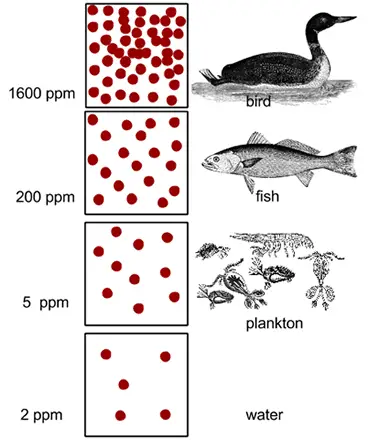
- Biomagnification/ Bioamplification or biological magnification, is the increase in concentration of a substance, e.g. a pesticide, in the tissues of organisms at successively higher levels in a food chain.
-
|
Additions in the last class:
|
WATER HEALTH INDICATORS (7:10 PM):
- Dissolved Oxygen(DO):
- This is the oxygen present as a gas in water.
- This is the oxygen used by lifeforms in respiration in water bodies.
- The biggest source of dissolved oxygen in water is the atmosphere- water's surface directly absorbs oxygen from the atmosphere.
- Rough water surface with a lot of turbulence and waves leads to higher dissolved oxygen in waters.
- DO is high in running waters-rivers and waters close to the coast which see wave and current action.
Biological/Biochemical Oxygen Demand (BOD):
- This is the demand for dissolved oxygen by bacteria to decay organic matter.
- If a lot of dead organic matter accumulates in the water body, BOD gets high.
- High BOD would mean the depletion of DO.
- This will reduce the ability of the water body to support life.
Chemical Oxygen Demand(COD):
- This is the need for the DO in water for not only the decay of the biodegradable matter but also non-biodegradable matter by chemical action.
- COD is hence a more comprehensive measure of the demand for oxygen in waters for chemical & biochemical breakdown.
Water Health:
-
Dissolved Oxygen concentration(Milligram/Liter) Condition Equal to or less than 8 Contaminated water Equal to or less than 4 Highly Contaminated water Equal to or less than 3 Barely able to support lifeforms and incapable to support many lifeforms. Less than 1 Incapable to support any lifeform. This condition is called Anoxia/Hypoxia.
EUTROPHICATION (7:35 PM):
- It represents the degradation of water and the collapse of ecosystems with their food chains in a water body.
- Eutrophication develops due to excess nutrient supply, mainly nitrogen and phosphorus.
- It can be both man-made and natural.
- This excess supply of nutrients overturns the balance between the quantity of algae and phytoplankton versus the available dissolved oxygen versus dead organic matter present in the water body.
- The excess nutrient supply will cause the rapid multiplication of algae and phytoplankton.
- These will cover the water surface as thick mats.
- The layers of algae below the surface layers are deprived of sunlight and they begin to die.
- Therefore, dead organic matter is generated at a rapid rate.
- The DO is now used up rapidly by the bacteria to decompose the organic matter.
- This depletes DO in the water body so that no oxygen is available to life forms in the water body.
- Fish and other animal life forms begin to die along with dead algae.
- This dead organic matter is not anymore decomposed as there is no more DO.
- Fresh DO is also not supplied because the surface of the water body is covered through algal sheets.
- The water body has no more food chains and the undecomposed organic matter begins to rot generating Hydrogen Sulphide (H2S- rotten egg smell) and Methane.
- This state of the water body represents eutrophication. If similar eutrophication takes place in the oceans it creates dead zones.
- These parts of the oceans have no oxygen and marine life.
The topics for the next class are Algal Blooms & wetlands.